

1 Corinthians 14:1–40: Orderly Public Worship: Part 3
In 1 Corinthians 14, Paul teaches that God’s word must have center stage in worship. The reason is simple: worship is a dialogue between God and his people. (Exposition of 1 Corinthians 14:1–40)

1 Corinthians 13:1–13: Love: A Still More Excellent Way
In one of the most famous passages in all the Bible, Paul critiques the Corinthians’ lack of love. Everything is nothing without love. (Exposition of 1 Corinthians 13:1–13)

1 Corinthians 12:1–31: Orderly Public Worship: Part 2
In 1 Corinthians 12, Paul speaks about the diversity and the unity of the body of Christ, teaching that God has arranged and honored every member in the body of Christ. (Exposition of 1 Corinthians 12:1–31)
1 Corinthians 11:2–34: Orderly Public Worship: Part 1
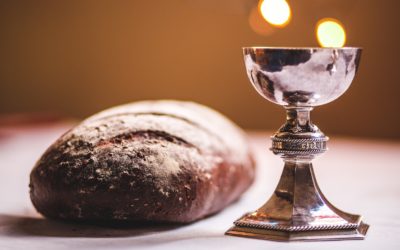
In 1 Corinthians 11, Paul deals with two major issues concerning public worship. First, it is glory for men to rule, and it is glory for women to reveal. Second, Christ delivers himself to us in the Lord’s Supper. (Exposition of 1 Corinthians 11:2–34)

1 Corinthians 10:1–11:1: Do All to the Glory of God
In 1 Corinthians 10, Paul concludes his arguments about food sacrificed to idols. We must do everything to the glory of God, and for the advantage of our neighbor as imitators of Christ. (Exposition of 1 Corinthians 10:1–11:1).

1 Corinthians 8:1–9:27: Relinquishing our Rights
Holiness drives us to seek Christ in every facet of our lives. It is better to be deprived of our rights than of Christ’s reward. (Exposition of 1 Corinthians 8:1–9:27)

1 Corinthians 7:1–40: God’s Call to the Single and to the Married
In 1 Corinthians 7, Paul urges married and single people alike to live in light of looming eternity. Regardless of whether we marry in the Lord, God calls us to holy devotion to the Lord. (Exposition of 1 Corinthians 7:1–40)

God Has Not Called You to a Life of Stoic Singleness (1 Cor. 7:9)
God has not called you to a life of Stoic singleness—a life where you resist burning sexual desires with white-knuckled, superhuman strength. God calls you to self-control over your desires themselves, in one way or another.

Don’t Call Them “Members” of the Trinity: On Union with God and Others
Christians believe in one God who exists in three persons. The word “persons” reflects a specific kind of unity and means something very different than “members.” Here is why you shouldn’t call them “members” of the Trinity.

1 Corinthians 6:1–20: Holy Living in the Church
Faith alone saves, but saving faith is never alone. Christianity announces that we have been set apart as holy to the Lord. In Christ, you are not now what you were once. (Exposition of 1 Corinthians 6:1–20)

Why the PCA Should Vote to Amend BCO 42-4 and BCO 43-3
The 47th General Assembly of the Presbyterian Church in America (PCA) sent a proposed amendment to the Book of Church Order to amend BCO 42-4 and 43-3. This is why this small amendment is so important.

What Makes Food Different from Sexual Immorality? (1 Cor. 6:13)
The food we eat is a matter of indifference, but sex is not. If our bodies interact with both food and sex, why must we approach both activities in radically different ways? 1 Corinthians 6:13 teaches us the difference.